
If you have spent any time researching solar panels Halifax homeowners are asking the same blunt question: is this actually going to put money in my pocket, or is it just another green promise that does not add up? The short answer is yes, households are earning from solar, but not in the way most people imagine. The days of generous government-guaranteed cheques landing on your doormat are long gone. What has replaced them is a quieter, more sustainable model of earning through bill avoidance and selective export, and in a town like Halifax, with its distinctive Pennine geography and stone-built housing stock, the numbers are more compelling than you might think.
Table of Contents
-
How Battery Storage Unlocks Real Earnings (Not Just Savings)
-
Final Verdict: Is It Worth It for Halifax Homeowners in 2026?
The 2026 Energy Landscape: Why “Earning” Has Changed
The old Feed-in Tariff scheme, which paid households a fixed rate for every kilowatt-hour they generated regardless of whether they used it, closed to new applicants back in 2019. In its place sits the Smart Export Guarantee, or SEG, which only pays for electricity you actually export to the grid. This is the critical distinction. In 2026, “earning” from solar means two things working in tandem: reducing the amount of electricity you buy from your supplier, and selling whatever genuine surplus you cannot use.
SEG rates this year sit between 4p and 15p per kilowatt-hour, depending on which supplier you sign up with and whether you choose a fixed or variable tariff. Those rates are set by energy companies, not by Westminster, and they can change. What has not changed is the 0 percent VAT rate on domestic solar installations, which continues to knock a significant chunk off the upfront cost and shortens the time it takes to reach genuine profit. Here is the key point that most headlines miss: with grid electricity prices hovering around 25p to 30p per kilowatt-hour, every unit you generate and use yourself is worth almost twice as much as one you sell. Saving 28p beats earning 12p every single time.

Bill Savings vs. Export Payments: Which Pays More?
A typical 4.85 kilowatt residential system in the Halifax area generates between 3,450 and 4,500 kilowatt-hours per year, depending on roof orientation, shading, and the specific microclimate of your valley or hillside. If your household consumes half of that generation directly, you are looking at annual bill savings of roughly £650 to £890. The remaining half, exported to the grid at an average SEG rate, might bring in another £50 to £150 per year. The maths is straightforward: bill savings are the engine of your return. Export income is the top-up, not the salary. Anyone promising you will get rich from SEG payments alone is selling something.
Does Halifax’s Weather Kill the Profit Potential?
It is a fair question. Halifax records around 1,280 hours of sunshine annually, noticeably fewer than the drier eastern stretches of the UK. On paper, that sounds like a disadvantage. In practice, the story is more interesting. Many properties in Calderdale sit on the south-facing northern slope of the valley, where Victorian and Edwardian terraces and semis were built into the hillside at angles that happen to be close to the 35-degree tilt considered optimal for solar generation in the UK. This is not a coincidence of planning; it is a quirk of Pennine geography that gives local homes a genuine performance edge.
Modern monocrystalline panels are also far better at capturing diffuse light than their predecessors. A 4.85 kilowatt system producing 3,450 to 4,500 kilowatt-hours per year in Halifax is proof that overcast days do not kill output, they merely moderate it. Adding solar battery storage Halifax households can further tilt the equation in their favour by capturing midday generation and deploying it during the evening peak, when grid prices are highest. This is how you turn a modest generation profile into a serious financial asset.
The Stone Roof Advantage: A Structural Edge for West Yorkshire Homes
There is another local factor that rarely makes it into generic solar guides. Yorkshire stone roofs, common across Halifax, Sowerby Bridge, and the upper Calder Valley, are exceptionally durable. Modern solar mounting systems are lighter than the traditional lead or clay tiles these roofs were built to support, which means structural reinforcement is rarely needed. This keeps installation costs lower and removes a variable that can add hundreds of pounds to a job on a newer build with trussed rafters. For the homeowner, that translates directly into a faster payback and a cleaner return on investment.
How Battery Storage Unlocks Real Earnings (Not Just Savings)
A solar array without a battery is like a leaky bucket. During a sunny spell, your panels generate more than you can use, and the surplus spills onto the grid at 4p to 15p per kilowatt-hour. When the sun sets and your household demand spikes, you buy that same electricity back at 25p to 30p. The gap between those two prices is where the profit leaks away.
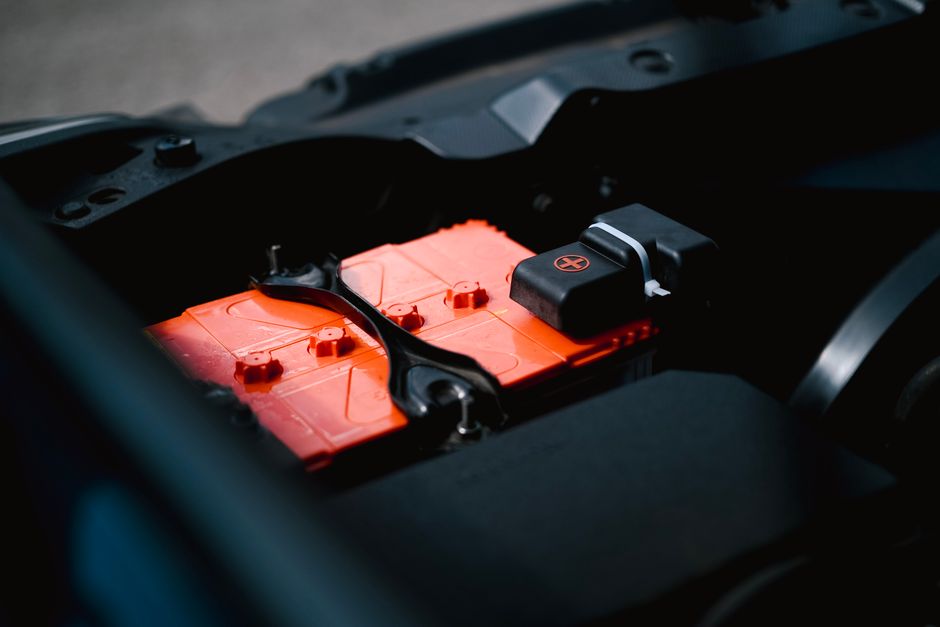
Installing solar battery storage Halifax means you capture that surplus and use it later, effectively valuing every stored kilowatt-hour at the full retail rate you would otherwise pay. Over a year, this can lift your self-consumption from 50 percent to 80 percent or more, adding hundreds of pounds to your effective annual return. If you also drive an electric vehicle and charge it from your battery, you are displacing petrol or diesel costs as well, which adds another layer of avoided expenditure. In a climate like West Yorkshire’s, where generation is steady rather than spectacular, battery storage is the component that turns a good investment into a genuinely profitable one.
The Real Numbers: Payback and Profit in 2026
Let us put some figures around this. A quality 4.85 kilowatt solar array with a suitably sized battery storage system, installed by an MCS-certified team in the Halifax area, might cost in the region of £8,000 to £10,000 after the zero percent VAT saving is applied. Combining bill savings of £650 to £890 with SEG income of £50 to £150 gives an annual benefit of roughly £700 to £1,040. Dividing the midpoint system cost by the midpoint annual benefit suggests a payback period of around nine to eleven years.
Solar panels carry performance warranties of 25 years or more. After the payback window closes, you are looking at 14 to 16 years of near-free electricity and modest export income. That is where the real profit accumulates. These figures are not guarantees; your roof orientation, shading from neighbouring properties, and household consumption patterns all influence the outcome. A site survey from a reputable installer is the only way to get numbers you can take to the bank.
Choosing the Right Installer in Halifax and West Yorkshire
No amount of favourable geography or clever battery sizing can rescue a poor installation. Panels mounted at the wrong angle, undersized inverters, or sloppy wiring will quietly erode your returns year after year. When comparing solar installers Halifax and the wider West Yorkshire area, start with the non-negotiables. MCS certification is essential, not optional: without it, you cannot register for SEG payments. Look also for NAPIT, TrustMark, and RECC accreditation, which signal compliance with consumer protection and technical standards.
Local installer ratings provide a useful shortcut. Calderdale-based firms on the Renewable Energy Hub score an average of 4.94 out of 5 across 93 reviews. ElectriFusion Solutions holds a 4.7-star Trustpilot rating with over 1,000 installations completed. Ask any installer you are considering about their workmanship warranty: a 15-year guarantee is the benchmark to aim for. Request references from recent jobs in Sowerby Bridge, Elland, or Brighouse, and be wary of quotes that seem too good to be true. Cheap panels degrade faster, and a failing inverter after eight years wipes out the profit you thought you had locked in.
Frequently Asked Questions (Halifax-Specific)
Do solar panels work on north-facing roofs in Calderdale? Performance drops by roughly 20 to 30 percent compared to a south-facing array, but high-efficiency panels paired with battery storage can still deliver a viable return. A north-facing roof is not an automatic dealbreaker, though it does lengthen the payback period.
What is the best SEG tariff for West Yorkshire in 2026? There is no single best tariff for everyone. Fixed-rate export tariffs offer predictability; variable or agile tariffs can pay more during peak demand periods but require closer attention. Compare offers from suppliers like Octopus Energy, EDF, and Scottish Power before committing.
Can I earn money if I rent my home? No. Solar installations and SEG registration require property ownership. This market is for paying homeowners only.
How long do inverters last, and does that affect profit? Most inverters need replacing after 10 to 15 years. Budget £1,000 to £1,500 for a replacement, and factor that cost into your long-term return calculations. A quality inverter from a recognised brand will outlast a budget unit and protect your earnings over the full life of the system.
Final Verdict: Is It Worth It for Halifax Homeowners in 2026?
Yes, but only if you approach it with clear eyes. Solar panels will not make you wealthy through export payments. What they will do, if specified and installed correctly, is slash your electricity bills by 60 to 80 percent and lock in a large portion of your household energy costs for a quarter of a century or more. In a town like Halifax, where the hillsides naturally favour solar capture and the housing stock is built to last, the structural and geographical advantages are real. Battery storage is the critical enabler, bridging the gap between daytime generation and evening demand and ensuring that as little as possible of your valuable solar electricity leaks away at low export rates. The only way to know your specific numbers is to invite a local, MCS-certified installer to survey your property. A generic online calculator cannot read the lie of a Calderdale roof or account for the shade cast by a neighbour’s sycamore. Get a bespoke assessment, run the real figures, and decide from there.

ZenGen Ltd, serving residential, commercial, and light industrial clients across West and North Yorkshire. With highly qualified engineers and experienced surveyors, we offer expert, honest guidance - no high-pressure sales. Committed to sustainability, we provide solar panel installations, EV charging solutions, and commercial electrical services, ensuring top-quality, reliable solutions for a low-carbon future.
Quick Links
AftercarePast ProjectsFAQ's Warranty InformationPrivacy PolicyResource Downloads
Tel: 01422 416860
Email: info@zengen.co.uk
Office: White Rose Mills, Holdsworth Rd,
Halifax, HX3 6SN
Suppliers





© Copyright 2026 | ZenGen Ltd. Company Registration 15741296 | All Rights Reserved